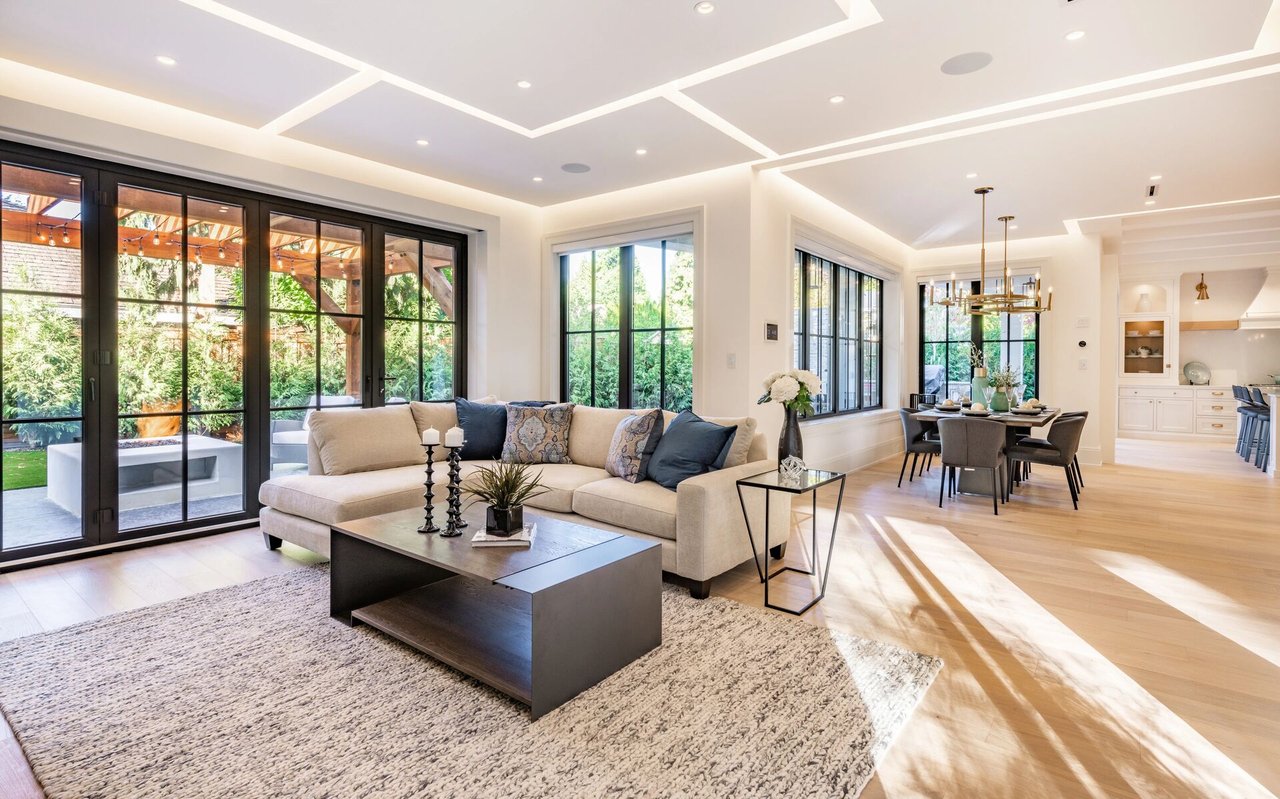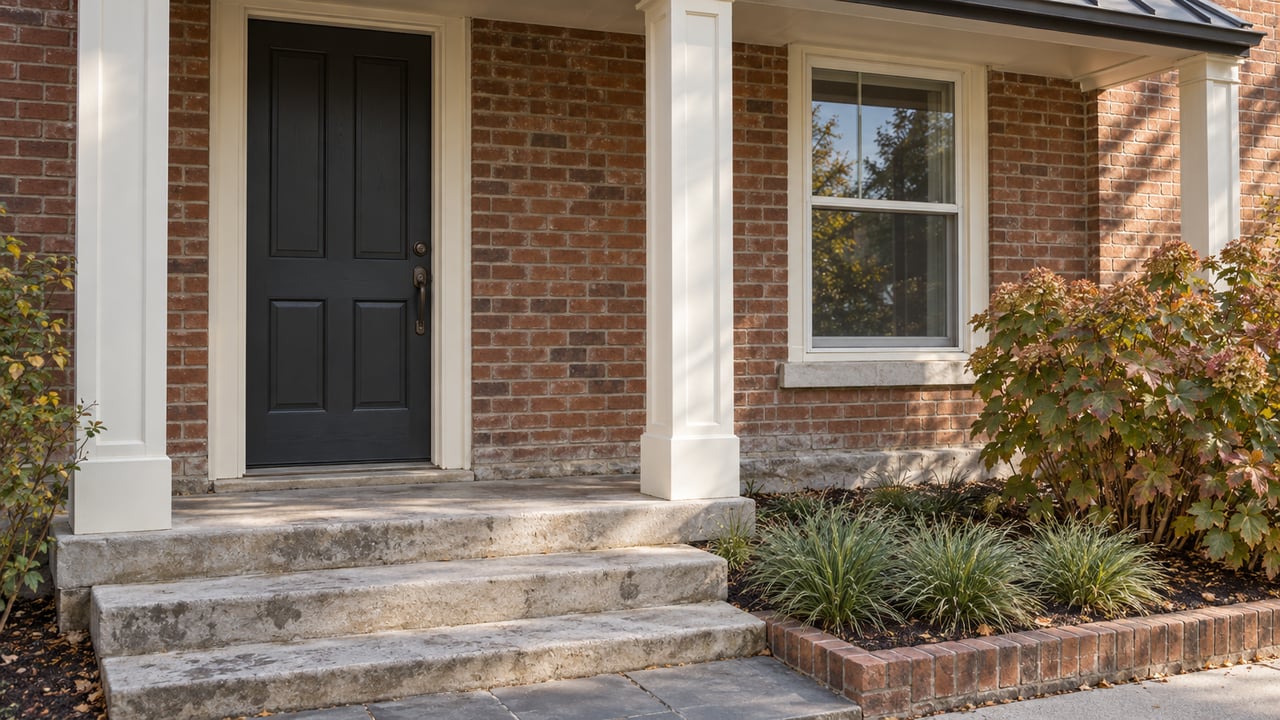
A one-bedroom condo on University Crescent sold for $190,000 in early July. A six-bedroom home on Beaufain Street, sitting on almost half an acre in the neighborhood's Estate Section, sold six days later for $1,995,000. Both closings happened inside the same Owners Association, under the same set of covenants, within the same square mile of Carmel.
If you assumed the owner of the $1,995,000 house pays the bigger monthly assessment, you'd be guessing wrong more often than you'd think. In the Village of West Clay, the size of your HOA bill has less to do with what you paid for the house and more to do with what kind of house you bought.
The Bill Tracks the Building, Not the Price Tag
The Village of WestClay Owners Association prices its monthly dues around a simple question: how much physical maintenance does this unit actually require from us? That question produces very different answers depending on whether you own a detached custom home on a private lot or an attached townhome sharing walls and a roofline with your neighbors.
Attached product, the cottages and townhomes concentrated in the walkable Village Area, tends to carry dues on the higher end of the range, because the association is often the one paying for exterior maintenance on those buildings: siding, roofs, shared structural elements, common-area landscaping that runs right up to the foundation, snow removal on shared walks, and insurance on the structure itself. Reserve contributions get built into that number too, since the OA is the party responsible for eventually replacing a shared roof or repainting a shared exterior.
Large detached homes in the Estate Section work the other way. An owner there mows a private lawn, replaces a private roof, and insures a structure that belongs entirely to them. The Owners Association isn't doing any of that physical work, so the portion of the bill tied to building upkeep mostly disappears. What's left is a flatter charge for the things every household in the community uses regardless of lot size: the shared paths, the pools, the clubhouses, the patrol.
That's how a townhome buyer closing near $475,000, like the four-bedroom that sold on Broad Street in late June, can end up with a monthly assessment closer to $400 or $500, while a buyer several times over that price point in the Estate Section pays a due in the low hundreds. The dollar amount isn't measuring what you paid. It's measuring what the association has to do for you every month.
Two Architectural Vocabularies, Two Maintenance Loads
This split isn't an accident of pricing. It's built into how the Village of West Clay was laid out from the start.
The Village Area, closest to the retail core, was designed around Federal, Greek Revival, Italianate, and Gothic Revival styles, the architectural language of a compact, walkable 19th-century Indiana town center. That's also where the attached product sits, the cottages and townhomes built shoulder to shoulder along narrow streets designed for porches and foot traffic rather than three-car garages.
The Estate Section, further from the center, opens up into larger lots and a different architectural vocabulary entirely, Colonial, Georgian, Second Empire, Queen Anne, and Tudor styles built by a custom builder of the owner's choosing. It's a neighborhood built for privacy and yard space rather than proximity to the Meeting House.
Those two zones don't just look different. They generate two different maintenance obligations for the Owners Association, which is the real explanation behind the dues spread. A buyer comparing a Village Area cottage to an Estate Section home isn't just choosing an architectural style. They're choosing which maintenance bill they'll be handed every month, and which one they'll handle themselves.
What Every Price Tier Pays the Same Way
Here's where the math evens back out. Regardless of whether you're the owner of the condo on University Crescent or the estate on Beaufain Street, you're subject to the same Architectural Review process before you change anything visible from the street. Painting your house a new color, replacing landscaping, adding a fence, none of it happens without submitting a form through the Owners Association and getting it approved first. That review requirement doesn't scale down for a $190,000 unit or scale up for a $2 million one. It applies the same way to everyone who buys into the community, which is worth knowing before you close if you're the type of homeowner who likes to make quick exterior changes without asking anyone first.
What that shared review process protects is also what every resident is paying into, regardless of which side of the dues range they land on. The community runs four gathering spaces, the Meeting House and the Goldwater, Provost, and Webster Clubhouses, each with keycard access issued two scan cards per household. There are three community pools, tennis and pickleball courts, and roughly ten miles of paths connecting it all. A private security firm, Costello Security Solutions, has officers in the Village at least six hours a day, seven days a week, and files monthly reports back to the Owners Association. Residents get a Friday community email and a monthly print magazine, STROLL Village of WestClay Living, produced through N2 Publishing, so nobody has to guess what the OA is doing with the money.
That's the trade every price tier is making. The attached-home owner is paying more for building upkeep they don't have to do themselves. The estate owner is doing their own upkeep and paying less for it. Both of them are buying into the same patrol schedule, the same clubhouses, and the same review board.
What This Looks Like in Today's Market
As of this month, there are 21 homes on the market in the Village of West Clay, with a median list price of $440,000, a number that sits well below the neighborhood's recent sold prices because it reflects what's currently available rather than what closed. Zoom out to a trailing view of the broader neighborhood and the picture shifts again: the average sale price recently was $630,000, down 16 percent from a year earlier, with homes going pending in around 21 days across the market and the most competitive listings moving in about 9 days at roughly 1 percent over list price.
Those numbers describe a neighborhood, but they don't describe a single housing product, and that's the point. A buyer using the median list price to estimate their future dues, or the average sale price to guess at their maintenance costs, is applying a neighborhood-wide number to a decision that actually turns on the specific building they're buying.
Before You Compare Two Listings
If you're weighing two homes in the Village of West Clay that land near the same price, ask for the actual dues schedule on each one before you assume they cost the same to own. A townhome and a detached home at similar price points can carry meaningfully different monthly assessments, and the difference usually traces back to exactly what's outlined above: how much of the physical upkeep the Owners Association is doing for you versus how much you'll be doing yourself. The listing price tells you what you're paying to close. The dues schedule tells you what you're paying every month after that, and it's worth reading before you fall in love with the porch.
If you're comparing homes in the Village of West Clay, or trying to figure out what a specific dues schedule actually covers before you write an offer, The O'Connor Team can walk through the numbers on a specific listing with you.
This article is general information, not legal, tax or financial advice. Consult a qualified professional about your situation.