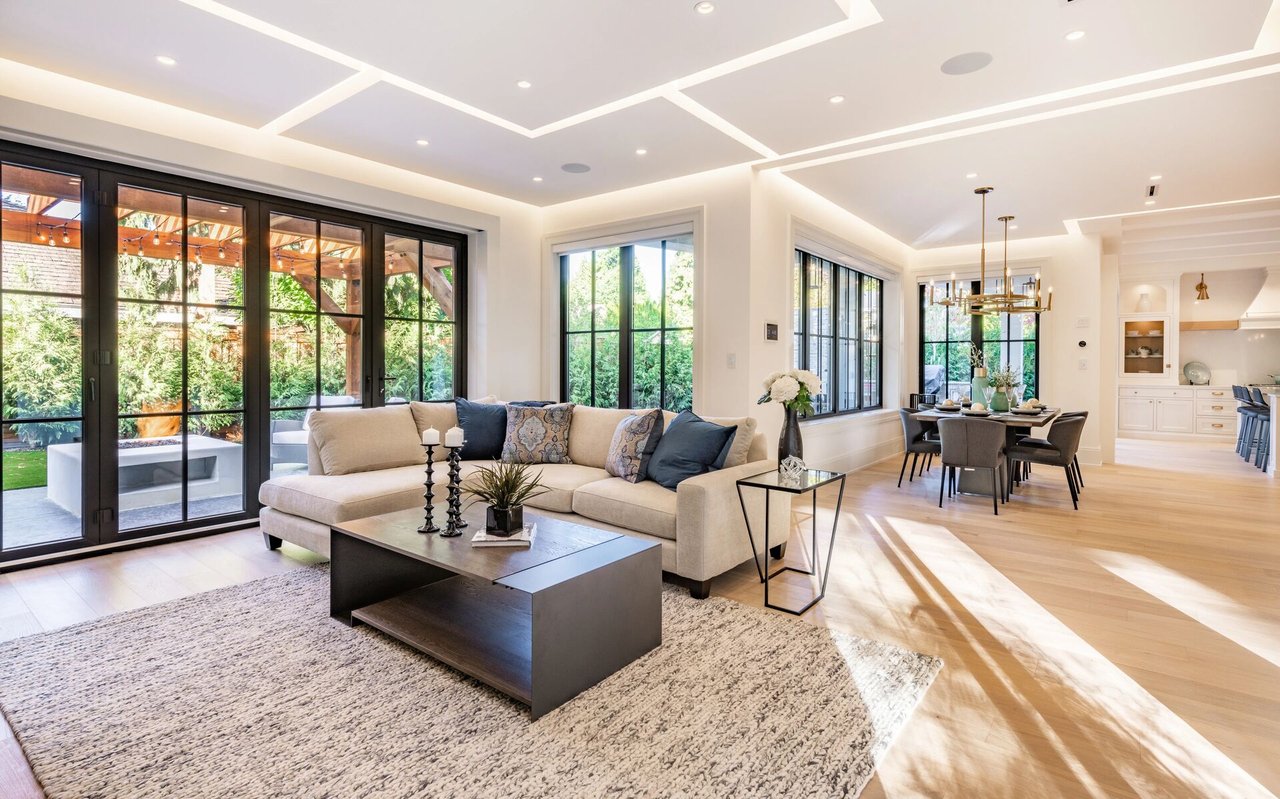
A buyer falls for a loft on Mass Ave with twelve-foot ceilings and exposed brick, gets pre-approved, writes an offer, and then waits three extra weeks past closing because the lender's underwriter needs a document the building doesn't have current: a reserve study less than three years old, funded at the level the study itself recommends. That scenario is about to become more common in downtown Indianapolis, not less, because of a financing rule that took effect earlier this month.
On August 3, 2026, Fannie Mae and Freddie Mac raised the minimum share of a condo association's budget that must go into reserves from 10 percent to 15 percent, and they retired the streamlined "Limited Review" process that used to cover roughly four in ten condo project reviews. For a buyer scanning listings in the Mile Square or along Massachusetts Avenue, the sticker price on the unit was never the whole story. Now the building's paperwork decides whether a conventional loan closes at all, and downtown's mix of century-old conversions and newer high-rises means that paperwork looks very different from one address to the next.
The rule that just tightened financing downtown
The change comes from Fannie Mae's Lender Letter LL-2026-03 and a matching Freddie Mac bulletin, published the same day. Three things shifted at once. The reserve floor moved from 10 percent of budgeted assessment income to 15 percent, unless the association's own reserve study recommends and funds an even higher level. Limited Review, the faster path that many smaller or older condo projects relied on for financing eligibility, is gone for loan applications dated on or after August 3, 2026. And any reserve study used to qualify for an exception to the flat percentage rule has to be current within the last 36 months of the lender's project review date, a requirement that was already in force and now carries more weight because fewer buildings can skip the scrutiny entirely.
None of this changes what a downtown condo is worth. It changes how easily a buyer can borrow against it, and for how many buildings that answer is now less certain than it was in July.
Why this lands differently in a city of converted buildings
Walk from Monument Circle to Bottleworks and you pass through decades of construction at once. The Indianapolis Athletic Club building on Meridian Street, a Renaissance Revival structure whose main entrance was patterned after the 15th-century Palazzo Venezia in Rome, has been carrying residential units for years inside a shell built for an entirely different purpose. A few blocks over, the century-old Coca-Cola bottling plant that anchors the Bottleworks District shows the same pattern on a larger scale: a 1931 Art Deco complex now holding a hotel, a food hall, offices, and retail space inside walls designed long before anyone imagined a condo association's replacement-reserve schedule.
Compare that to a building like Six Over Meridian, built with underground parking and mechanical systems designed to current code from day one. A newer structure starts its reserve study with a clean slate and a predictable capital plan. An older conversion is often carrying deferred maintenance decisions made by boards years before the current owners bought in, and whether those decisions add up to a healthy reserve fund or a thin one depends entirely on how disciplined that particular association has been. Two buildings four blocks apart can sit on opposite sides of the new financing line, and neither the price per square foot nor the finish level in the unit will tell you which side yours is on.
What "percent funded" actually means for your closing
The single number that matters most in a reserve study is the percentage funded, meaning how much cash the association actually has on hand compared to what the study says it should have at this point in the building's life. It's the same math that failed at Champlain Towers South in Surfside, Florida, where the reserve account held less than $800,000 against a fully funded target of $10.3 million before a $15 million special assessment was levied, a widely reported case that reshaped how seriously lenders now treat this document.
| Percent Funded | What It Signals | What to Ask Before You Offer |
|---|---|---|
| Under 30% | A special assessment is close to inevitable at some point | When was the last one, and how was it paid for? |
| 30% to 70% | The building is catching up but not there yet | What's the funding plan, and has the monthly assessment changed to match it? |
| 70% and above | Generally considered healthy by industry standards | Confirm the study itself is still within the 36-month window lenders require |
A low HOA fee can look like a bargain and still sit on top of a reserve fund in the bottom row of that table. The fee tells you what you pay monthly. The percent-funded figure tells you what the building has actually saved for the roof, the elevators, and the facade repairs that a 1920s clubhouse conversion will eventually need in a way a five-year-old tower simply won't yet.
The slower clock buyers are already living with
Downtown condos were already moving at a different pace than the rest of the city before this rule took effect. Citywide, Indianapolis homes sold in a median of 21 days over the three months ending in June 2026. The last downtown-specific reading available, from February 2026, showed homes there averaging 90 days on market, nearly double the 47 days recorded in the same month a year earlier. Pricing told a milder story for that same period: the median sale price for a home in Downtown Indianapolis stood at $360,000 as of February 2026, up 2.9 percent from a year earlier, while the average price ran higher at $369,000, up 7.4 percent, a gap that usually means a handful of higher-priced closings are pulling the mean upward while the bulk of the market sits closer to that median. For context, the broader Central Indiana market posted a $325,000 median in June 2026, meaning downtown still commanded a premium even before accounting for how much longer its listings were sitting.
A financing rule that removes the fast lane for a chunk of condo buildings won't shorten that timeline. Buyers who understand why a listing is taking longer, rather than assuming something is wrong with the unit, are in a better position to negotiate calmly instead of walking away from a building that just happens to need more paperwork.
The other costs already stacking up
Statewide, the average HOA fee runs around $155 a month. Downtown's high-rise and mid-rise buildings routinely run well past that. At the Indianapolis Athletic Club building, published fees range from roughly $400 to $1,700 a month depending on the unit and its share of the building's amenities, which include a rooftop, a basketball court, and racquetball and pickleball courts. That range alone should tell a buyer that "the HOA fee" isn't one number downtown, it's a spectrum tied directly to the building's age, systems, and amenity load, the same factors that drive the reserve conversation above.
Layer on the city's short-term rental rules and the math gets more specific still. Indianapolis-Marion County's permit program took effect January 1, 2025, and requires a separate permit for each short-term rental unit through the Department of Business and Neighborhood Services, with a one-time $150 fee and free but mandatory annual renewal. The city can revoke a permit after three ordinance violations. Add Marion County's 10 percent innkeeper's tax on top of the state's 7 percent sales tax, and an investor running the old back-of-envelope Airbnb math from a few years ago is working from a different set of numbers now.
A short checklist before you write the offer
- Ask for the building's most recent reserve study and note the date. If it's older than three years, expect your lender to flag it.
- Ask what percentage of the annual budget goes to reserves and whether that figure already clears 15 percent or the study's own recommended level.
- Ask whether the building has relied on Limited Review in past sales. That path is gone for applications dated on or after August 3, 2026, and a project that always used it may be facing a full review for the first time.
- Request two years of board meeting minutes to see whether a special assessment has been discussed, not just whether one has been voted on.
- Run all of the above past your lender before you write an offer. A first-time full project review can take longer than a standard closing window.
Frequently Asked Questions
Does this rule apply to every condo sale downtown? It applies to loans that will be sold to Fannie Mae or Freddie Mac, which covers most conventional mortgages. Cash purchases and certain portfolio loans aren't bound by it, though a building that can't clear review still has a smaller pool of financed buyers competing for it later.
Is a low HOA fee a good sign? Not on its own. A fee only tells you the monthly cost. The reserve study's percent-funded figure tells you whether the building has actually saved enough to cover the roof, elevators, or facade work it will eventually need, and that number matters more under the new rule than it did in July.
Do I need a short-term rental permit if I only host occasionally? Yes. Indianapolis requires a permit for any unit rented for less than 30 consecutive days through a platform, regardless of how often it's listed.
Buying downtown right now rewards patience and the right questions more than speed. If you're weighing a historic conversion against a newer build in the Mile Square, Mass Ave, or Chatham Arch, The O'Connor Team can walk through a specific building's reserve health and financing picture with you before you write an offer, not after. Get in touch when you're ready to look closely at what a building's paperwork actually says about your loan.